Little Turtle
“Little turtle rushing to meet the sea
Broke out of your shell, you’re now free
Little turtle on a long journey
Embrace the waves, follow your destiny
Little turtle searching for that place
Where time stands still and everyone stays
Little turtle, have you found a home?
For you are loved and never alone.
Little turtle, nurse your broken heart
For there’s no going back to the start
Little turtle, drowning in an ocean of pain
Let your tears wash away with the rain
Little turtle, aren’t you getting tired
Pretending you really never died inside?
Little turtle, stop reaching for the sun.
In her eyes, you belong in the ocean.
Little turtle lost at sea,
Rise above your misery.
Little turtle lost at sea,
Remember how it used to be.
Little turtle lost at sea,
You will be found… maybe.”
The poem is an excerpt from the film Way Back Home written by Jessica Lorraine Santiago portrayed by Julia Montes for his sister who she lost when they were separated while watching pawikan hatchling when they were young.
The message of the poem is written in metaphors and coined for Joana Santiago portrayed by Katherine Bernardo to come back home in the same movie as she was lost and separated from her family.
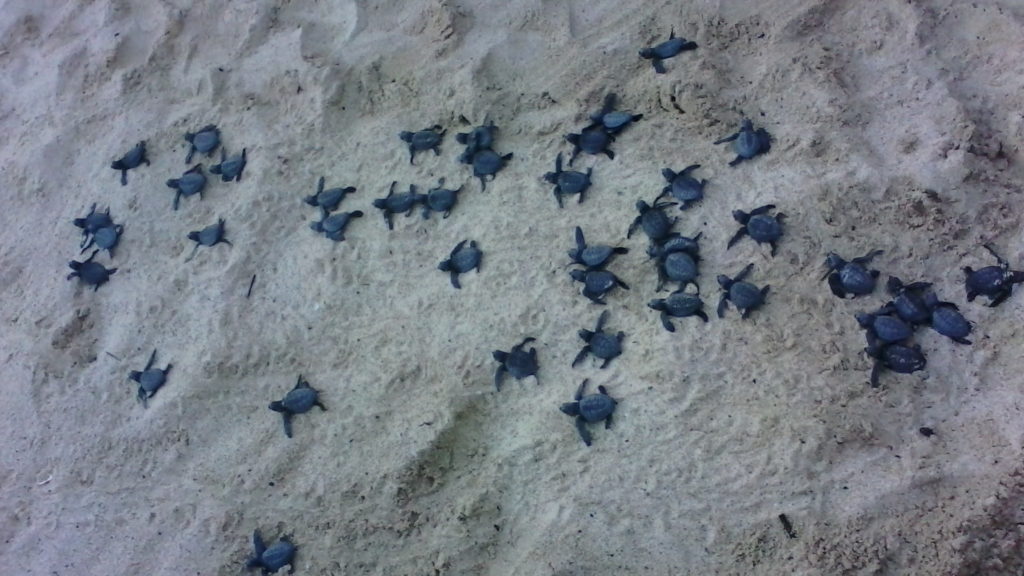
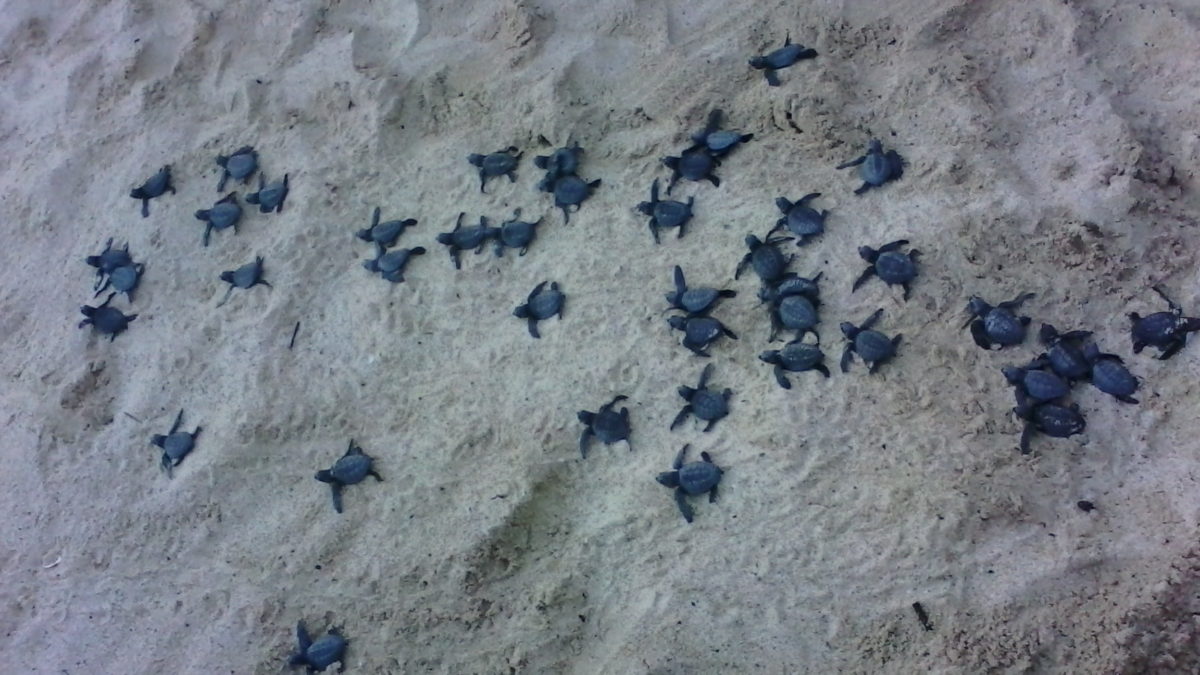
Interestingly, as I had this awesome privilege to witness real pawikan hatchling recently, I cannot help but remember the message of the poem and how literally it is relevant to pawikans all over the globe who are facing extinction because of mass poaching for Asian Markets like China.
Dahican Beach, in Mati City in particular is being touted as skimboarding capital of the country, yet the beach is not only known for its white sand and surfing activities, but also for the marine wildlife that thrives in its water.
These include the
pawikan, the local term for marine turtles. Hawksbills and Olive Ridleys are
the turtle species that have made Dahican’s shoreline their nesting site.
These two species are listed in the International Union for the Conservation of
Nature and Natural Resources as endangered. What this means is that “they are
in danger of extinction and whose survival is unlikely if causal factors
continue operating.”
During the months of May and June, the two marine turtle species trudge ashore to dig holes in the sand and lay their eggs there.
Marine turtles are just one of the wildlife species found in the waters of Mayo Bay, though. Dugongs also thrive there. They used to abound in Philippine seas but their numbers, according to the Protected Areas and Wildlife Bureau, have since dwindled in some parts of Mindanao as disturbances in their habitat increased.
The lines Little Turtle lost at sea could be literally true.
Drowning in the ocean of pain,
Little Turtle lost at sea,
You will be found….. maybe.